
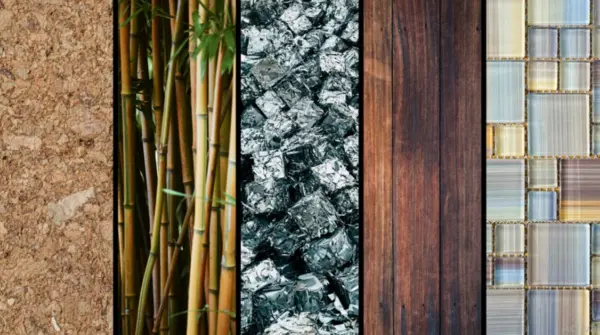
Whether you’re hanging a shelf, building a shed, or renovating a kitchen, the success of your project depends heavily on the materials you choose. Durable materials help ensure that your construction stands the test of time, withstands daily wear and tear, and maintains its integrity in a variety of conditions. Overlooking material quality may lead to premature failure, costly repairs, or even safety hazards. In this blog, we explore why durability matters and how the right materials can make all the difference in everyday building projects.
Why Durability Matters
Longevity and Structural Integrity
When you use durable materials, you build with confidence. A sturdy frame made from treated lumber or pressure-treated timber will resist warping, cracking, or rotting over time. Durable materials are less likely to fail under stress, meaning the structure remains sound for years, whether it’s a deck, a storage unit, or simple shelving. This structural integrity ensures safety and reduces the risk of sudden failures, which can cause damage or injury.
Cost-Effectiveness in the Long Run
Cheaper, low-grade materials may save money upfront, but often lead to higher maintenance costs down the line. Frequent repairs, replacements, or reinforcements can quickly erase the initial savings. By investing in high-quality, long-lasting materials, you often save money in the long run. Reduced need for maintenance, fewer part replacements, and less time spent on repairs translate to better overall value.
Resistance to Environmental Stressors
Everyday building projects are exposed to a variety of environmental factors like moisture, temperature fluctuations, pests, and corrosive elements like salt or chemicals. Durable materials are engineered to resist these stressors. For example, using rot-resistant timber for outdoor structures helps prevent decay, while metal components with corrosion resistance protect against rust and deterioration. Ultimately, durability helps a project withstand changing conditions and remain functional.
Common Challenges Without Durable Materials
- Warping and twisting: Softwoods or inadequately treated lumber can warp over time, making doors misalign or shelves sag.
- Rust and corrosion: Metal components like nails, bolts, or fasteners can corrode when exposed to moisture, causing weakened joints.
- Rot and pest damage: Untreated wood is vulnerable to moisture and pests, which can cause structural failure or unsightly decay.
- Premature wear: Paint, metal finishes, or coatings may peel or degrade early if applied to substandard materials, affecting both appearance and performance.
These problems not only compromise the structure’s utility but also raise safety concerns, especially in load-bearing or frequently used projects.
Choosing the Right Materials: What to Look For
Treated and Seasoned Wood
For wood-based projects, choose lumber that has been properly seasoned and treated, pressure-treated timber for decking or garden structures, kiln-dried wood for furniture, or hardwoods for strength and longevity. Treated wood resists rot and decay. Seasoned wood is less prone to warping and cracking, ensuring stability and longevity.
Corrosion-Resistant Metals
When metal components are necessary, such as brackets, screws, or fasteners, opt for corrosion-resistant metals like galvanized steel, stainless steel, or powder-coated alloys. For example, selecting stainless steel or weatherproof materials for nails and screws greatly reduces the risk of rust, a common point of failure in many DIY and construction projects. Integrating high-quality fasteners ensures that the joints remain strong and reliable over time.
Protective Coatings and Finishes
Whether painting, sealing, or treating wood or metal surfaces with protective coatings, ensure these finishes are suitable for the material and anticipated environmental exposure. Exterior paints, sealants, and weatherproof varnishes not only improve aesthetics but also prolong the material’s useful life by repelling water, resisting UV damage, and guarding against corrosion or rot.
Practical Example: Fasteners That Last
When building a garden shed, decking, or even a heavy-duty shelf, the choice of fasteners can make or break the project. A common weak point is the screws; if they rust or degrade, the entire structure can fail. That’s why many DIYers and professional builders choose rust resistant screws to ensure long-term reliability. By using these kinds of screws instead of standard ones, you create joints that hold strong even in damp or humid conditions, which is especially important in outdoor projects or in areas prone to moisture.
Real-World Applications
- Outdoor decking and patios: Treated lumber combined with stainless screws and weather-resistant coatings makes for decks that can survive years of rain, sun, and temperature changes without rot or structural problems.
- Garden sheds and outbuildings: Using durable wood and corrosion-resistant fasteners ensures the shed will withstand exposure to the elements and remain stable.
- Home renovations: In kitchen or bathroom refurbishments, where humidity is often high, using moisture-resistant materials and good fasteners prevents warping, mold, or rust over time.
- Furniture and shelving: Even indoor furniture benefits from better materials, hardwood, strong joinery, and quality fasteners, because it extends lifespan and improves safety and stability.
Conclusion
Durable materials are the backbone of reliable, long-lasting building projects. Whether you’re a seasoned DIY enthusiast or tackling your first home renovation, prioritizing material quality, from treated lumber to corrosion-resistant fasteners, builds not just structures, but trust in their longevity and safety. Cheap shortcuts might offer quick results, but they rarely deliver over time. By choosing robust, tried-and-true components, your projects will stand the test of time, with fewer repairs, greater structural integrity, and long-term peace of mind.
