
The global shift toward low-emission technologies is reshaping how people think about power generation, energy storage, and everyday mobility. As nations, industries, and individuals aim to reduce carbon footprints and transition away from fossil fuels, the question becomes not just what powers the world but how it does so responsibly, efficiently, and equitably.
From renewable energy grids to electrified transport, rethinking power requires innovative design, smarter consumption, and a deep understanding of the energy systems people depend on. This article explores the key elements of this transition and how even the smallest components can make big differences in creating a cleaner, more sustainable future.
The Shift to Low-Emission Energy
At the heart of a low-emission world is the transition from carbon-intensive power sources like coal and oil to cleaner alternatives such as wind, solar, and hydroelectric power. These renewables generate electricity with little to no direct emissions, significantly lowering the environmental impact of energy systems.
Governments and corporations are investing in renewable infrastructure, smart grids, and energy storage solutions that enable variable sources like solar and wind to become reliable contributors to power systems. Advances in battery technology, grid management, and distributed energy resources are critical to balancing supply and demand in these evolving networks.
The Role of Electrification in Transport
Transportation is one of the largest contributors to global emissions, and electrification is a major pathway to reducing that impact. Electric vehicles (EVs) and electric scooters eliminate tailpipe emissions, reduce reliance on oil, and integrate seamlessly with cleaner power supplies as grids decarbonize.
This transition includes a broad range of transport technologies, from passenger EVs to micro-mobility options. Each class of vehicle contributes to the broader goal of emission reduction.
Everyday Choices and Energy Efficiency
In a low-emission world, efficiency matters. How people use energy often determines the scale of emissions savings they can achieve. Technologies that use power efficiently can lower overall demand, reduce stress on grids, and help integrate intermittent renewable sources.
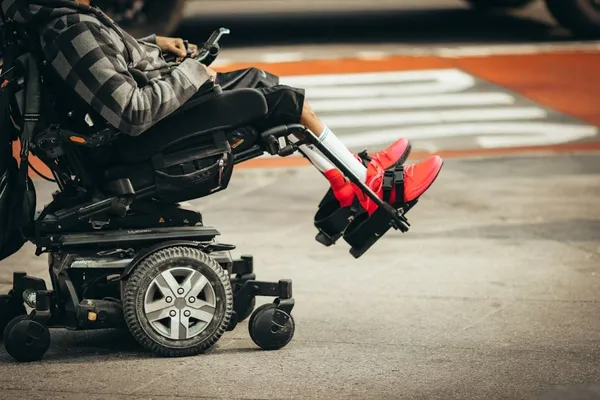
Mobility devices are part of this picture. Choosing efficient components supports reduced energy use and extends the life of transport systems. For example, dependable disability scooter batteries from reputable suppliers such as Discount Scooters help ensure that everyday mobility is both reliable and energy efficient. Quality batteries can improve performance, extend range, and reduce waste from frequent replacements.
Energy Storage Is a Cornerstone
Energy storage plays a pivotal role in scaling up low-emission power systems. Renewable sources like wind and solar are variable by nature, they produce power only when the sun shines or the wind blows. To ensure a consistent supply, grids must store excess power for use during periods of lower generation.
Modern batteries, pumped hydroelectric storage, and emerging technologies like flow batteries and compressed air systems are all part of the solution. These storage systems smooth out fluctuations, provide backup power, and enhance grid resilience.
Equity in the Energy Transition
A truly sustainable energy system must be inclusive. This means ensuring that electrification benefits all communities, including those historically underserved or disproportionately impacted by pollution. Access to affordable, reliable power and transport solutions is essential for enabling opportunity, mobility, and quality of life for everyone.
Low-emission transitions must also consider social and economic impacts, creating jobs, supporting education, and investing in communities as part of broader sustainability goals.
Innovation Beyond Batteries
While batteries are essential, innovation in a low-emission world extends to materials, design, and systems thinking. Researchers are exploring:
- Hydrogen as a clean fuel alternative
- Grid-interactive buildings that manage energy smarter
- Circular-economy approaches to reduce waste and recycle materials like battery components
Each innovation adds a piece to the complex puzzle of decarbonization and sustainable growth.
A Future Powered by Clean Energy
The journey toward a low-emission world is ongoing. It involves reimagining how people generate, store, and use power across all sectors of society. From the renewable grids powering cities to the batteries that energize daily transport, every piece contributes to a cleaner, more resilient future.
By embracing innovation, prioritizing efficiency, and ensuring equitable access to low-emission technologies, people can build energy systems that support environmental health and human wellbeing alike.
In this reimagined world, even small power decisions carry big impact, shaping a future that is cleaner, fairer, and more sustainable for all.
