
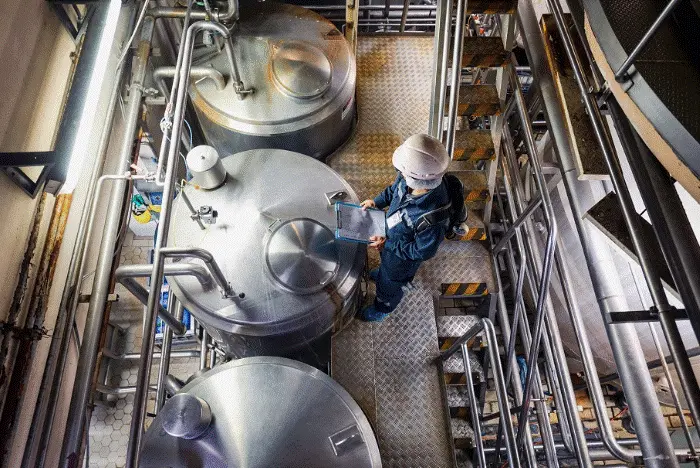
Industrial sectors are undergoing a significant transformation as sustainability becomes a central focus rather than a secondary concern. Cleaner industrial processes are no longer just about cutting emissions. Instead, they involve reimagining how systems operate, from raw material input to final output. By combining advanced technologies with smarter design, industries are discovering ways to reduce waste, improve efficiency, and meet environmental goals without sacrificing performance.
The Shift Toward Cleaner Production
Cleaner production prioritises preventing pollution at its source instead of managing it after it occurs. This approach encourages industries to use fewer raw materials, reduce energy consumption, and minimise harmful outputs. By optimising production methods, companies can achieve better results with less environmental impact.
Businesses are also embracing circular practices, where waste materials are reused or repurposed. Doing so not only reduces environmental strain but also introduces new economic opportunities. As industries adopt these strategies, they become more resilient, cost-effective, and aligned with modern sustainability expectations.
Advanced Carbon Reduction Technologies
Among the most impactful innovations in industrial sustainability are carbon reduction technologies. These solutions are designed to capture and manage emissions before they are released into the atmosphere, making them essential in reducing overall environmental impact.
One example of this progress is the development of modular solutions, such as the carbon capture system, that can be integrated into existing industrial setups without requiring a complete overhaul. These systems offer flexibility and efficiency, allowing companies to adopt cleaner practices without disrupting operations.
Advancements in engineering have also improved the performance of these systems, making them more compact and cost-effective. This means that industries of all sizes can implement carbon-reduction strategies more easily than ever before.
Modular and Scalable Engineering
Modular engineering is playing a crucial role in enabling cleaner industrial processes. Instead of constructing large, complex systems, companies are turning to smaller, prefabricated units that can be installed quickly and expanded as needed.
This approach offers several benefits. It reduces installation time, lowers initial costs, and allows businesses to scale their sustainability efforts over time. For companies that may not have the resources for large-scale upgrades, modular solutions offer a practical, accessible alternative.
Additionally, modular systems can be replicated across multiple facilities, helping industries standardise cleaner processes and accelerate widespread adoption.
Alternative Capture and Recycling Methods
Innovative methods are also emerging that transform emissions into valuable resources. Instead of treating waste as something to be discarded, industries are finding ways to reuse it within their operations or convert it into new products.
Technologies that enable carbon recycling are gaining attention, as they allow emissions to be turned into fuels, materials, or other useful outputs. This supports the development of a circular economy, where resources are continuously reused rather than depleted.
These approaches not only reduce environmental impact but also open up new possibilities for innovation and growth within industrial sectors.
Digital Innovation and Process Optimisation
Digital tools are becoming essential in driving cleaner industrial processes. Technologies such as data analytics, automation, and real-time monitoring allow companies to fine-tune their operations with greater accuracy.
By tracking energy usage and identifying inefficiencies, businesses can make informed decisions that reduce waste and improve performance. Automation further enhances these improvements by ensuring consistency and minimising errors.
As digital systems continue to evolve, they will play an increasingly important role in helping industries achieve their sustainability goals.
The Future of Cleaner Industry
The push toward cleaner industrial processes is shaping the future of manufacturing and production. With advancements in carbon reduction, modular design, and digital optimisation, industries now have access to a wide range of solutions that support both efficiency and environmental responsibility.
As these innovations become more accessible, their adoption will continue to grow. This will lead to a more sustainable industrial landscape that balances productivity with environmental care and paves the way for long-term progress.
