Starting a vegetable patch is one of the most rewarding projects you can take on, whether you’re a complete beginner or finally ready to grow more than a few herbs on your windowsill. Fresh home-grown vegetables taste better, cost less than store-bought, and give you the joyful satisfaction of growing your own food from seed to supper.
If you’ve been thinking about turning a patch of soil into something productive this season, here’s a clear, friendly guide to help you begin.
1. Pick the Perfect Spot
Before you plant anything, choose a location with good sunlight. Most vegetables need at least 6 hours of direct sunlight a day. Tomatoes, courgettes, peppers, and salad greens all thrive in bright conditions. Avoid shaded corners or areas that stay damp after rain, but also think about accessibility. Your vegetable patch should be easy to reach for watering, weeding, and harvesting. If it’s too far away from your house, you might be less motivated to tend to it regularly.
2. Plan Your Layout
Good planning helps you use space wisely and grow more with less effort. Sketch out a rough diagram of your garden area and consider how tall plants (like beans or corn) might shade shorter ones (like lettuce).
Group plants with similar water and sunlight needs together. You can start small and expand year after year as you get more confident.
3. Prepare the Soil
Healthy soil is the backbone of a thriving vegetable patch. Test the soil with a simple kit or look at its texture: crumbly, dark soil is usually fertile, while dense clay or sandy soil may need help.
Improve your soil by adding compost or well-rotted manure. This boosts nutrients, improves drainage, and encourages strong root growth. Turning the soil gently with a fork or spade helps oxygen reach roots, but avoid over-tilling. Healthy soil has structure.
4. Consider Using Corten Steel Raised Beds and Planters
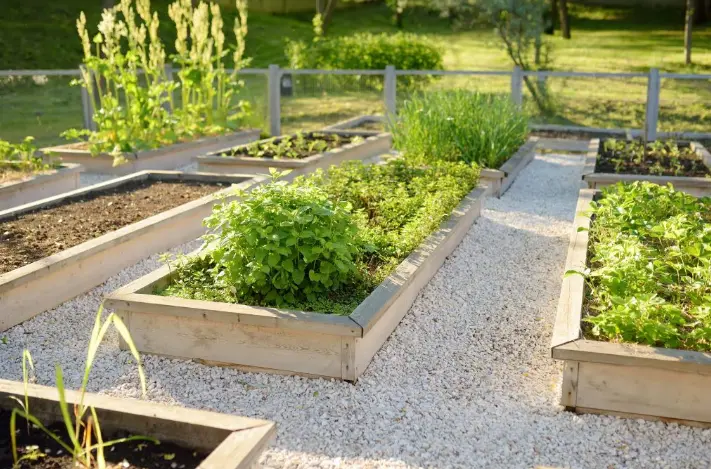
Raised beds are a brilliant way to get started, especially if your garden soil isn’t ideal or you want a tidier, more manageable patch. Among the best-looking and long-lasting options are corten steel raised beds and planters.
Corten steel is tough, weather-resistant, and develops an attractive rust-coloured patina that adds character to your garden. Because raised beds sit above ground level, they warm up quicker in spring, drain better, and are easier to work with; your back will thank you.
Raised beds also give you control over the soil mix, making it easier to create perfect conditions for seedlings and sensitive crops. You can plant more intensively and extend your growing season by starting earlier in spring and extending later into autumn.
Whether you’re planning a collection of individual planters or a full-length border of raised beds, corten steel combines practicality with visual appeal, turning your vegetable patch into a functional and beautiful space.
5. Choose the Right Vegetables for Your Climate
Start with vegetables that are easy to grow if you’re new to gardening. Salad leaves, radishes, spring onions, and peas are low-maintenance and quick to harvest. Herbs like basil, parsley, and chives also thrive in small spaces and encourage you with fast results.
Check seed packets for planting times and sowing depths. Some crops prefer cool weather (lettuce, spinach), while others love warmth (tomatoes, peppers), so timing matters.
Starting a vegetable patch doesn’t have to be intimidating. With thoughtful planning, healthy soil, regular care, and smart choices like raised beds and planters, you’ll set yourself up for a productive and joyful growing season.