
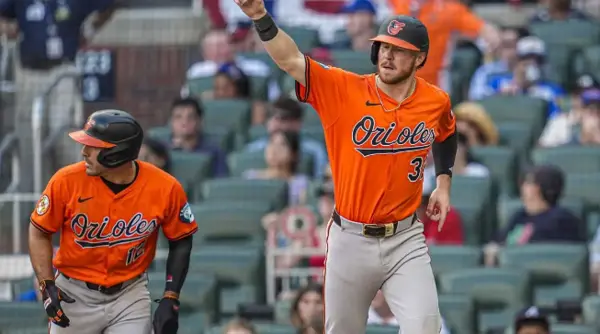
The Baltimore Orioles vs Milwaukee Brewers match player stats provide a complete breakdown of individual and team performances from the game, including batting averages, home runs, RBIs, pitching strikeouts, earned run average (ERA), fielding stats, and full box score details. These statistics highlight standout players, key plays, and overall team efficiency, giving fans a clear view of who impacted the game most.
Whether you just started watching or follow every pitch, these statistics matter. Below, we break down the key numbers like batting averages and pitching ERAs. You’ll see why each is important when these teams face off.
The Importance of Analyzing Match Player Stats
Baseball is a game built on stats. When we look at Baltimore Orioles vs Milwaukee Brewers match player stats, we do more than just see numbers. We see stories about consistency, cold streaks, and sudden success.
For example, why would a manager pull a pitcher out early? The numbers often explain decisions like that. In addition, different stats have different meanings.
Batting stats show how often someone gets a hit. Meanwhile, on-base percentage (OBP) reveals how often they reach base. For pitching, advanced stats like WAR (Wins Above Replacement) show how valuable a player is to the team. By checking these, fans gain a deeper understanding of every decision.
Comparing Starting Pitcher Performance
The starting pitcher controls much of the game early on. So, Baltimore Orioles vs Milwaukee Brewers match player stats often start here. Important numbers are Earned Run Average (ERA), WHIP, and strikeouts per nine innings.
A lower ERA usually means a pitcher gives up fewer runs. That’s important in close games. Orioles starters often use speed and movement to their advantage. For the Brewers, their pitchers are known for being able to pitch deep into games and getting ground balls.
However, ERA isn’t the only number to check. WHIP shows how many runners a pitcher lets on base. For example, if a Brewers pitcher has a high WHIP but a low ERA, he might have been lucky so far.
Analyzing the Orioles’ Batting Lineup
The Orioles’ lineup is usually young and full of energy. When looking at the Baltimore Orioles match player stats on offense, we focus on two things: power and speed.
For example, players with high slugging percentages often hit doubles, triples, or home runs. That’s great for scoring runs. However, just swinging for the fences isn’t everything.
Strikeout and walk rates matter too. Some Orioles batters might strike out a lot, which can cost them against tough Brewers pitchers. On the flip side, if they walk often, they force pitchers to work harder. Having a high batting average with runners in scoring position (RISP) often leads to more wins.
Analyzing the Brewers’ Offensive Threats
The Brewers have a unique style when it comes to hitting. Their Baltimore Orioles match player stats show both power and smart baserunning.
OPS (On-base Plus Slugging) tells us a lot about their offense. If a team has a high OPS, they usually score more runs. Brewers hitters can be checked by their “splits”—how well they face lefties or righties. For example, if the Orioles’ starter is left-handed, look for which Brewers hitters do best against lefties.
Also, check whether any big slugger is hot or in a slump over the last 10 games. Stealing bases and taking extra bases on hits can turn a single into a scoring chance. This puts a lot of pressure on the Orioles’ defense.
The Role of Bullpen Statistics
Often, the bullpen decides how the last few innings go. In modern baseball, many games are won or lost after the sixth inning. Looking at Baltimore Orioles match player stats here is very important.
Bullpen stats like ERA and “holds” show which teams can protect a late lead. Good closers are judged on their save percentage and how few saves they blow.
In addition, middle relievers play a big role. “Inherited runners scored” tells if they let the other team’s runners score. For example, if a reliever comes in with two men on and both score, that’s a problem. The Orioles rely on their bullpen if their starter gets in trouble early. If the Brewers have a strong bullpen, the Orioles will try to score before the late innings.
Defensive Metrics and Fielding Efficiency
Defense isn’t as flashy as home runs, but it can decide games. When checking Baltimore Orioles match player stats, always look at fielding percentage and Defensive Runs Saved (DRS).
A high fielding percentage means a player rarely makes errors. That’s a solid start, but DRS is even better. DRS tells us how many runs a player saves on defense.
For instance, an outfielder with a high DRS can catch balls most players miss. That helps pitchers and keeps scores low. The catcher also matters—caught stealing percentage shows if they can throw out base stealers. Good defense helps keep pitch counts down and confidence up.
Historical Head-to-Head Player Data
Looking at past games helps us spot player trends. However, no stat can guarantee the future. Checking old Baltimore Orioles match player stats can reveal hidden stories.
Some batters always do well against a certain pitcher. For example, an Orioles batter might have a .400 average against a Brewers starter in 20 past at-bats. This is a great sign for the Orioles.
However, some strong hitters just can’t hit a certain pitch or style. You should also check which park the game is played in, since Miller Park (American Family Field) and Camden Yards are very different. Some guys hit better in one than the other, which can change the outlook for the game.
The Impact of Ballpark Factors
Every ballpark is unique, and this affects stats. When studying Baltimore Orioles vs Milwaukee Brewers match player stats, don’t forget where the game is played.
Camden Yards has a tall left-field wall. For example, this can take away home runs from right-handed hitters. Pitchers love it, but power hitters may get frustrated.
On the other hand, American Family Field in Milwaukee is better for hitters, especially with the roof closed. “Park Factors” help adjust the stats for each stadium. Remember, a pitcher in a hitter-friendly stadium might do better than their stats look. Likewise, a hitter’s numbers can change a lot based on the ballpark.
Advanced Metrics: Beyond the Basics
Many fans like simple stats, but some want more. Advanced numbers help us learn more about the Baltimore Orioles match player stats.
Exit velocity shows how hard someone hits the ball. Even if they keep getting unlucky, harder hits usually lead to better results over time.
Launch angle tells whether a player hits ground balls, line drives, or fly balls. The perfect combo is high exit velocity and the right launch angle. This is often called “barreling” the ball. For pitchers, spin rate is interesting too. Higher spin can make a fastball look like it’s rising, causing more strikeouts.
Recent Trends and Momentum
Baseball changes every week. A player’s season average might be low, but if they’ve hit well lately, watch out. Keeping an eye on Baltimore Orioles match player stats over the last seven or fifteen days is smart.
For example, is one of the Orioles’ batters hitting .400 over the past week? Did the Brewers’ ace have trouble in his last two starts? Momentum can change the mood of any game. Teams on a winning streak often play with more confidence.
Injuries also impact stats. If a player is hurt, even slightly, their numbers might drop. Always check for injury news before the game.
Conclusion
Taking a close look at baltimore orioles vs milwaukee brewers match player stats makes watching the game more fun. Stats let you see strategy, trends, and clues about what might happen next.
Start by looking at pitching matchups and batting stats. Then, check bullpen and defense numbers. Also, consider the stadium and recent trends.
Numbers tell the story of every game. By following these stats, you’ll have a deeper understanding and enjoy the match even more.
Frequently Asked Questions
Q: Where can I find live player stats for the game?
A: Check sites like ESPN, MLB.com, or your favorite sports app.
Q: What is the most important stat for a starting pitcher?
A: WHIP (Walks plus Hits per Inning Pitched) often gives a better picture than ERA.
Q: Do stats change based on which stadium they play in?
A: Yes. “Park factors” are key. Small parks help hitters; big ones help pitchers.
Q: What does OPS stand for in batting stats?
A: OPS means On-base Plus Slugging. This combines OBP and slugging percentage.
Q: Why do head-to-head stats matter?
A: They show how one batter does against a certain pitcher. This can reveal unique matchups.
Read More: How to Make the Most of Your New york baseball team familiarly
