
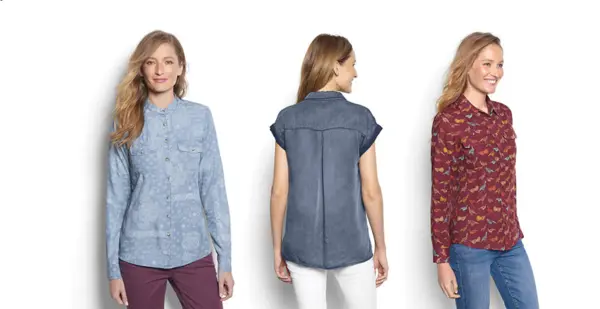
Have you ever felt a fabric softer than silk, yet cooler than linen? If so, you might have found twñcel. This fabric is gaining attention in the world of eco-friendly fashion. As the fashion industry becomes more focused on sustainability, people look for better choices. For example, many want options beyond traditional cotton or polyester. Here is where twncel stands out.
Understanding the Basics of Twñcel Material
To understand this fabric, let’s start with the basics. Twñcel is a type of lyocell or modal fiber. That means it’s a form of rayon.
However, the process to make it is very different from traditional rayon. Twncel is made in a much cleaner and safer way. It uses cellulose fiber, which is the main part of plants.
Usually, the cellulose comes from wood pulp. For example, it is taken from sustainably managed forests full of eucalyptus, beech, or birch trees.
The Unique Manufacturing Process of Twñcel
Turning trees into a soft t-shirt is an interesting process. The way twñcel is made really stands out. Instead of wasting materials, it uses a “closed-loop” system. This means the chemicals and solvents break down the wood pulp, but then get cleaned and reused.
In fact, almost all the solvents and water are recycled again and again. This process helps the environment because very little waste ends up outside the factory.
Why Twñcel is Considered Eco-Friendly?
Today, a lot of people talk about sustainability. However, twñcel truly deserves the attention it gets. One big reason is where it comes from. This fabric uses wood pulp from special forests. These forests are managed just to produce the fiber.
In addition, many of these forests are on land that cannot grow food. So, they do not take food land away from people. Also, the trees used—like eucalyptus—grow fast and do not need extra water or chemicals.
Comparing Twncel to Cotton and Polyester
When you buy clothes, you often pick from cotton, polyester, or newer fibers like twncel. Each fabric has its own pros and cons. Cotton has been the top choice for comfort for a long time. It is natural and lets your skin breathe.
However, cotton needs a lot of water and many pesticides to grow. This can harm the planet. Polyester is another common choice. It is cheap and strong. However, polyester is actually plastic. It traps heat, holds on to odors, and adds microplastics to our water when washed.
In addition, many people find polyester less comfortable. Because of these drawbacks, more people now look to twncel as a better option. Twncel gives you a great balance. For example, it is often softer than cotton. In addition, it feels smoother, which is good for sensitive skin.
When it comes to moisture, this fabric works even better than cotton. It soaks up sweat fast and lets it dry quickly. As a result, you stay dry and comfortable.
Also, unlike polyester, twncel resists bacteria naturally. This keeps your clothes smelling fresh longer, without harsh chemicals.
Polyester does win on pure strength and lower price. However, twñcel’s comfort and eco-friendly benefits make it a top pick. If you care about quality, this wood-based fiber is a smart choice over cheaper, lower-quality fabrics.
Key Benefits of Wearing Twñcel Clothing
You might wonder why you should add this fabric to your closet. There are many reasons, and they go way beyond helping the planet. First, comfort really stands out. The fibers are super smooth, even under a microscope. Because of this, twncel is great for sensitive skin, eczema, or allergies. The fabric gently glides over your skin instead of causing irritation.
It feels fancy, almost like heavy silk. However, it’s much easier to care for and wear every day. Another big benefit is how well it breathes and manages moisture. If you live in a warm place, or if you sweat a lot, this fabric really helps. It pulls moisture away from your skin and into the fibers.
How to Care for Your Twncel Garments?
If you buy high-quality clothing, you want it to last. Taking care of twncel is easy, but it needs more attention than your usual jeans. Most Twñcel clothes can go in the washing machine. However, you should always check the care label first.
For best results, use a gentle cycle with cold water. Hot water can make the fibers shrink or lose their soft shine. In addition, turning your clothes inside out before washing can protect the fabric’s outside from rubbing against other items.
When it comes to drying, air drying works best for twncel. Lay your clothes flat or hang them up to dry. This helps them keep their shape and last longer.
If you need to use a dryer, set it on low heat. High heat can damage natural fibers like twncel. Also, if your clothes get wrinkled, you can steam or iron them on a low setting.
Avoid using bleach or harsh softeners. These can break down the natural fibers over time. With just a little care, your twñcel clothes will stay soft and beautiful for years.
The Versatility of Twncel in Fashion and Home
You might think this fabric is only for fancy shirts or pricey workout clothes. However, it can do so much more. Designers love twncel because they can use it for many different things. For example, it makes jeans softer in denim blends. It also keeps underwear comfortable and cool. In addition, athletic brands use it because it absorbs sweat and dries fast.
This fabric works for lots of styles. It is strong enough for work pants but soft enough for loungewear. For people who want a simple wardrobe, it’s perfect. You can pick clothes that look good and also feel great.
The Cost Factor: Is Twncel Worth the Price?
One of the main questions consumers have is about the price tag. It is true that products made from twncel often cost more than basic cotton or synthetic items. This price difference comes down to the manufacturing process. While the process is efficient, the technology required to produce the fiber in an eco-friendly way is expensive. Additionally, sourcing wood pulp from sustainably managed forests adds to the base cost. You are paying for ethical labor, environmental stewardship, and superior technology.
Common Misconceptions About Sustainable Fabrics
There are a lot of myths floating around about sustainable fabrics, and twncel is no exception. A common misconception is that eco-friendly fabrics are rough, beige, and boring. As we have discussed, this could not be further from the truth. This fabric is known for its silky luster and ability to hold deep, vibrant dyes. It is sleek, modern, and fashionable. Another myth is that “sustainable” always means “delicate” or “hard to clean.” While you should avoid boiling water, these fibers are robust and durable enough for daily wear.
Some people also believe that all man-made fibers are bad. They group this material with polyester because it is processed in a factory. It is important to distinguish between synthetic fibers (made from petroleum) and regenerated cellulosic fibers (made from plants). Just because it is processed does not mean it is harmful. The science behind twñcel is specifically designed to minimize harm. Educating yourself on these differences helps you make better choices and avoid “greenwashing,” where brands claim to be eco-friendly without the evidence to back it up.
The Future of Twncel in the Textile Industry
The future looks very bright for this sustainable superstar. As consumers demand more transparency and responsibility from brands, the popularity of twncel is expected to skyrocket. We are already seeing major high-street retailers incorporating it into their collections alongside luxury designers. The technology is also improving. Researchers are looking for ways to use recycled cotton scraps or agricultural waste to create cellulose pulp, which would make the process even more circular and sustainable.
Conclusion
In the search for a better way to dress, twñcel stands out as a top contender. It offers a rare combination of luxury, practicality, and environmental responsibility. From its origins in sustainable forests to its closed-loop production and its incredible softness on the skin, it addresses many of the problems caused by traditional textile manufacturing.
Frequently Asked Questions
Does twnceel shrink in the wash?
It resists shrinking better than cotton, but it can still shrink if exposed to high heat. Always wash in cold water and air dry or tumble dry on low to maintain the size and shape.
Is twnceel suitable for hot weather?
Yes, absolutely. It is highly breathable and moisture-wicking, making it one of the best fabrics for staying cool and dry in hot and humid climates.
Is twnceel natural or synthetic?
It is semi-synthetic, also known as regenerated cellulose. It is made from natural wood pulp but processed into fiber using a chemical solvent, bridging the gap between natural and synthetic.
Is twnceel stretchy?
On its own, the fiber is not very stretchy. However, it is often blended with a small amount of elastane or spandex in clothing to provide that comfortable stretch you might be looking for.
Can I iron twnceel clothing?
Yes, you can iron it. It is best to use a low or warm heat setting. Using a steam iron is also very effective for removing wrinkles from this fabric.
Read More: socialbizmagazine.com Discover the Latest in Business Insights and Lifestyle Trends
